Buying Property in Ramgarh, Nainital: A Complete Buyer's Guide
From choosing the right altitude to checking land records, here is everything to know before you buy a home in Ramgarh.
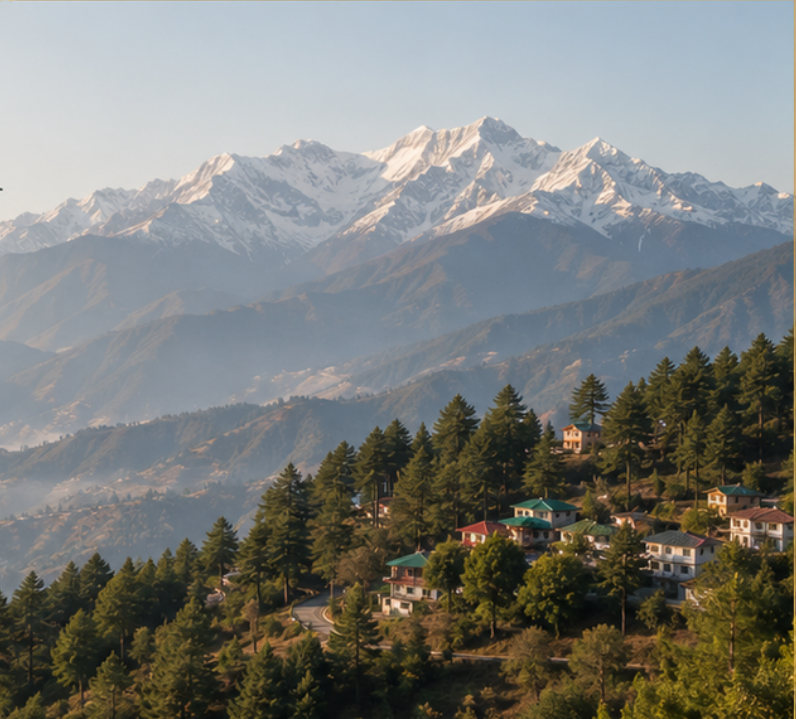
Ramgarh sits in the quieter, higher reaches of Nainital district — far enough from the crowds of the lake town to feel like a retreat, yet close enough that markets, schools and hospitals are within a comfortable drive. For many families from Delhi NCR, Lucknow and beyond, it has become the first name on the list when they start dreaming about a home in the hills.
But buying property in the mountains is different from buying a flat in the city. Slopes, access roads, water, land records and seasonal weather all matter. This guide walks you through the process step by step.
Why Ramgarh?
Ramgarh is often called the "Fruit Bowl of Kumaon" for its orchards of apples, peaches, plums and apricots. It has also long attracted writers and thinkers — Rabindranath Tagore and Mahadevi Verma are both associated with the area. Today it appeals to buyers for very practical reasons:
- Altitude and climate: parts of the Ramgarh–Mukteshwar belt sit around 6,500 ft, where summers are pleasantly cool.
- Forest cover: the region is surrounded by large tracts of oak, pine and cedar forest.
- Connectivity: Kathgodam railway station, Nainital, Bhimtal and Kainchi Dham are all within reach by road.
- A calmer pace: Ramgarh has stayed relatively low-density compared with the busiest hill stations.
Step 1: Decide what you are buying for
Your purpose shapes every other decision. Be honest with yourself about which of these describes you best:
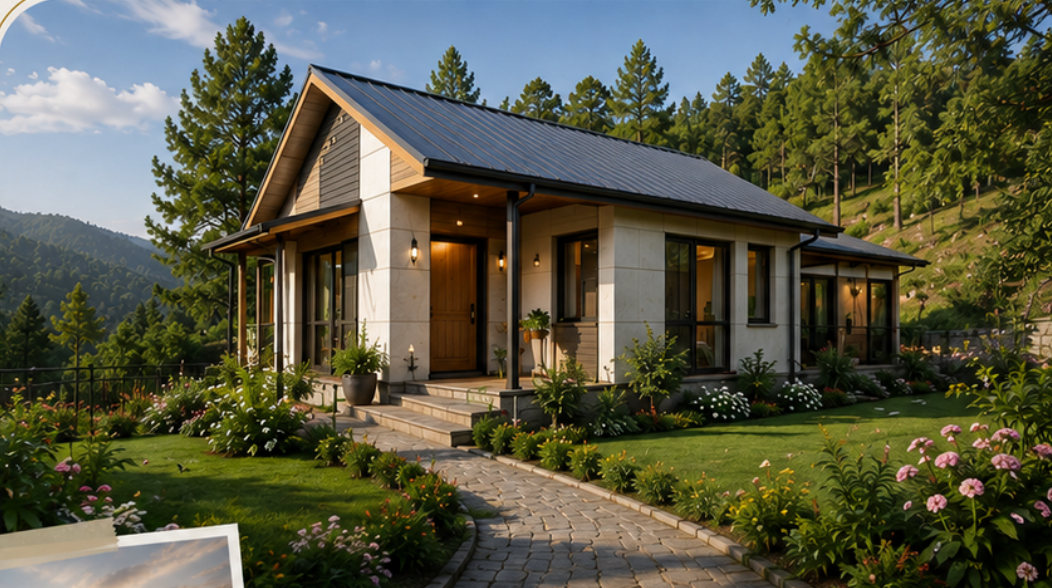
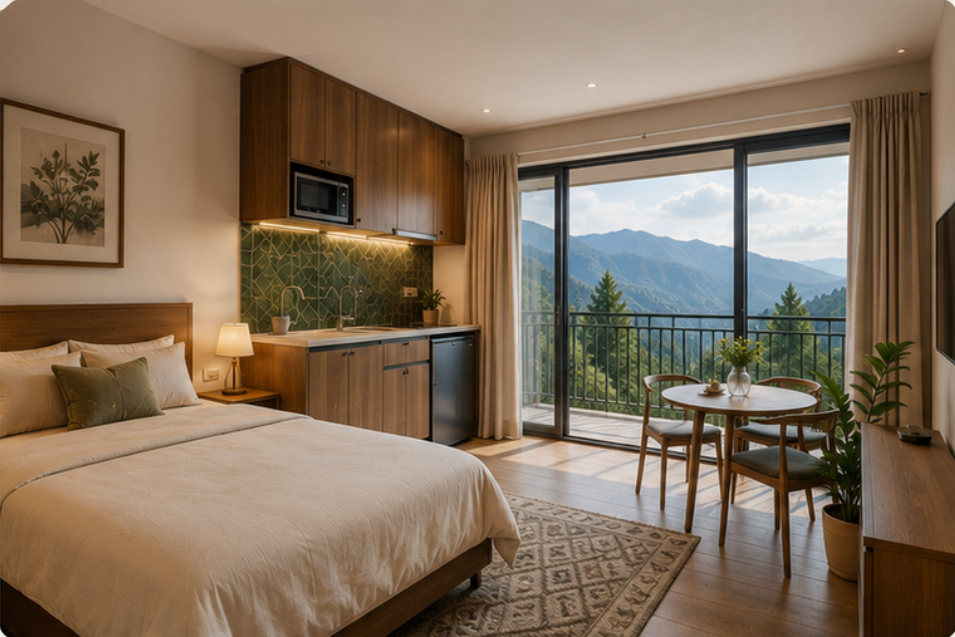
- Weekend and holiday home — you want something easy to lock up and leave. A studio apartment or compact villa in a managed community usually suits best.
- Long stays or retirement — you'll want more space, good sunlight and easy access to everyday services. A 2 BHK villa is often the sweet spot.
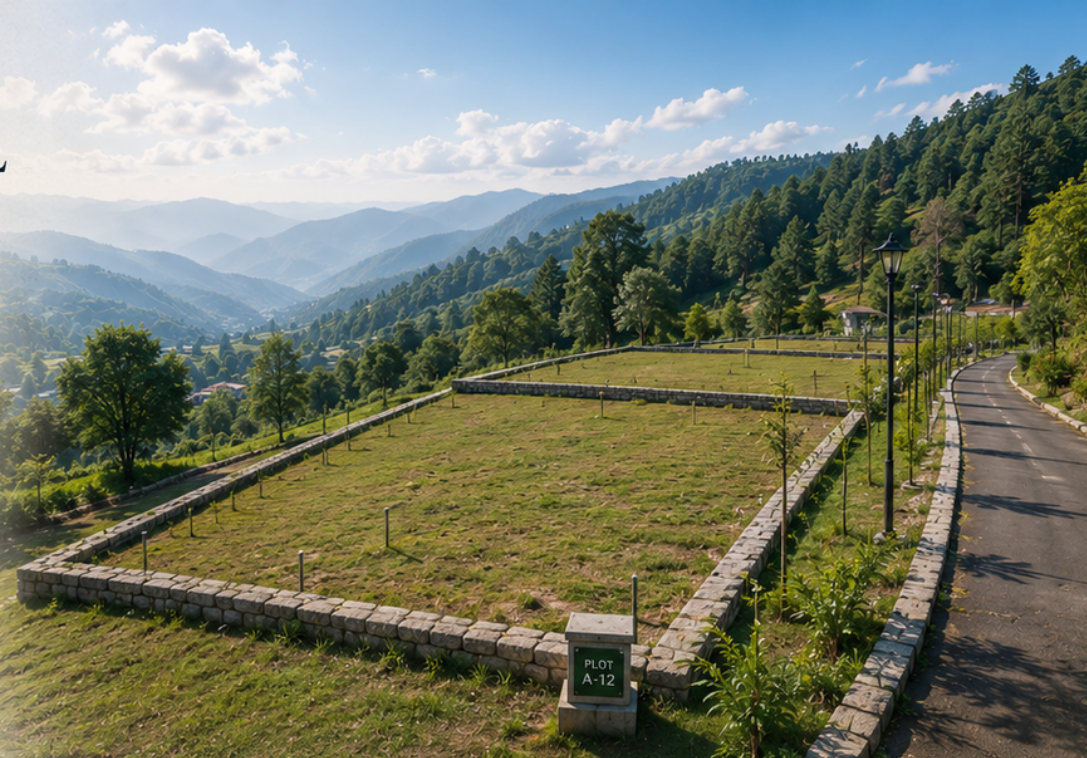
- Building your own home — a residential plot gives you design freedom, but also responsibility for construction and approvals.
- Rental income — read our guide to running a holiday rental in Uttarakhand before you decide.
Step 2: Get the location details right
In the hills, two properties a kilometre apart can feel completely different. When you shortlist a location, check:
- Road access: is the property reachable by a motorable road all year, including during monsoon and winter?
- Orientation: south- and east-facing slopes get more winter sun — a big comfort factor from December to February.
- Views: will the view stay open, or could future construction block it?
- Distance to essentials: markets, a pharmacy, the nearest hospital and fuel.
Ananda Hills, for example, is at Village Nathua Khan on the Ramgarh–Mukteshwar Road — about 6 km from Ramgarh, 18 km from Mukteshwar, 33 km from Nainital and 54 km from Kathgodam railway station, with entry from the main motorable road.
Step 3: Do your legal due diligence
This is the most important step, and one where you should always take independent professional advice.
- Title and ownership: verify the chain of ownership through the land records (khatauni) and confirm the seller's right to sell.
- Land use: confirm the land is classified for residential use and that construction is permitted.
- Buyer eligibility: Uttarakhand has specific rules on land purchase — particularly for buyers who are not residents of the state and for agricultural land — and these rules have been revised in recent years. Ask a local property lawyer how the current rules apply to the exact property and to you.
- Approvals: for villas and apartments, check building plan approvals and, where applicable, registration with Uttarakhand RERA.
- Mutation: after registration, make sure the property is mutated (dakhil-kharij) into your name in the revenue records.
Step 4: Check infrastructure, not just the view
A beautiful view is easy to fall in love with. Make sure the practical side is equally strong:
| What to check | Why it matters |
|---|---|
| Water supply & storage | Hill water sources can vary with the seasons. |
| Power & backup | Winter storms can cause outages; solar lighting and backups help. |
| Internal roads & drainage | Essential for monsoon months. |
| Broadband / mobile signal | Critical if you plan to work from the hills. |
| Security | A gated community with CCTV protects a home that may stand empty for weeks. |
Step 5: Budget for the full cost
Beyond the purchase price, plan for stamp duty and registration charges, legal fees, furnishing (often more expensive in the hills due to transport), maintenance, and — for plots — construction and approvals. Ask the developer for a clear, written break-up of every charge.
Step 6: Visit — ideally twice
Nothing replaces standing on the land. If you can, visit once in the pleasant months and once in winter or monsoon. Talk to local residents, drive the access road yourself and check phone signal on-site. Our guide to Ramgarh's weather through the year will help you plan.
See Ananda Hills for yourself
Villas, studio apartments and 300 Gaj plots at 6,500 ft on the Ramgarh–Mukteshwar Road. Our team will help plan your visit.
Book a Site VisitQuick checklist
- Define your purpose and budget.
- Shortlist locations with year-round road access.
- Have a lawyer verify title, land use and buyer eligibility.
- Check water, power, roads, internet and security.
- Get a written break-up of all costs.
- Visit, ideally in two different seasons.
Frequently asked questions
Is Ramgarh a good place to buy a holiday home?
Ramgarh offers a cool climate, forest surroundings and good road access to Nainital, Mukteshwar and Kathgodam, which makes it popular for holiday and second homes. Always check the specific property's access, infrastructure and legal status.
Can people from outside Uttarakhand buy property in Ramgarh?
Uttarakhand has specific rules for land purchases by non-residents, especially for agricultural land, and these have been revised recently. Consult a local property lawyer about the exact property before paying any amount.
What documents should I check before buying land in Nainital district?
Typically the land records (khatauni), the seller's title chain, land-use classification, building approvals where relevant, and after purchase, mutation of the property into your name.